

ASTM A193 Grade B7 stud bolts are widely specified for pressure vessels, valves, pipelines and flanged connections that operate under elevated pressure or temperature. Buyers often search for a single “B7 stud bolt size chart,” but a correct purchase specification requires more than diameter and length. The material grade, thread series, nut grade, coating, testing documents and project standard must work together.
This guide explains the main points engineers, procurement teams and distributors should confirm before ordering. For TENDON’s current product offering, see our ASTM A193 B7 stud bolts.
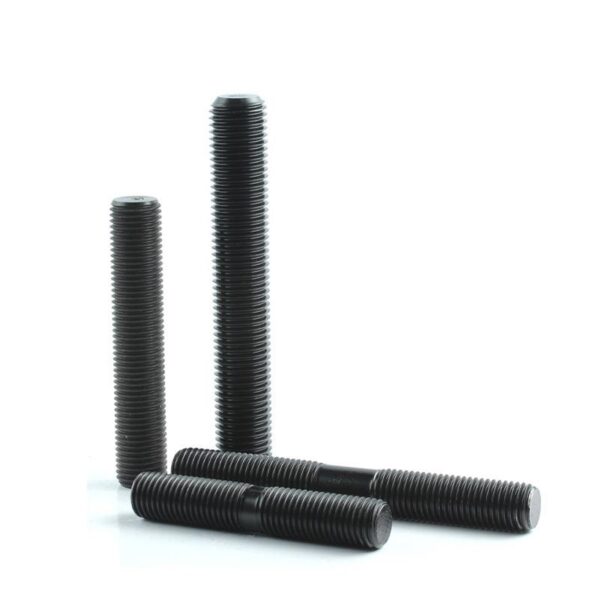
What Is ASTM A193 Grade B7?
ASTM A193 is a material specification for alloy-steel and stainless-steel bolting intended for high-temperature or high-pressure service and other special-purpose applications. Grade B7 is a chromium-molybdenum alloy-steel grade supplied in a heat-treated condition. It is commonly selected where higher strength and dependable performance are required.
A typical bolting assembly uses B7 studs with ASTM A194 Grade 2H heavy hex nuts. The final combination should always follow the flange standard, equipment design, service environment and customer specification.
How B7 Stud Bolt Dimensions Are Defined
A stud bolt description normally includes nominal diameter, thread series, thread fit, overall length and the number and grade of nuts. Dimensional requirements may be controlled by ASME, ANSI, ISO, DIN or a project-specific drawing. The material specification defines the bolting material; it does not replace the dimensional standard.
Nominal Diameter
The nominal diameter identifies the thread size rather than the exact measured outside diameter. Confirm whether the project uses inch-series or metric dimensions. Avoid converting between systems without engineering approval because thread geometry, nut dimensions and fit requirements differ.
Thread Series and Thread Fit
Unified coarse and unified fine threads are both encountered in industrial bolting, while larger flange studs may use an eight-thread series depending on the governing standard. Metric projects may specify coarse or fine metric pitch. The purchase order should state the required thread designation and class of fit so the studs and nuts assemble correctly.
Overall Length
Stud bolt length is selected from the flange thickness, gasket arrangement, washer requirements, nut height and the required thread projection beyond each nut. Measuring conventions can differ by standard, so the drawing or dimensional standard should be referenced directly. For replacement work, do not rely only on the removed bolt; verify the flange specification and the actual joint stack-up.
Chamfers and End Marking
Chamfered ends help prevent thread damage during assembly. Grade identification and traceability marks should remain legible when required by the applicable specification or purchase order. TENDON uses production traceability controls to connect the finished fastener with its manufacturing and inspection records.
Mechanical and Material Requirements
The required mechanical properties depend on the applicable edition of ASTM A193 and the ordered diameter range. Procurement documents should reference the standard edition and any supplementary requirements. Important verification items commonly include chemical composition, heat treatment, tensile properties, yield strength, elongation, hardness and impact testing when specifically required.
Do not approve B7 material based only on a surface stamp or color. Ask the supplier for traceable inspection documentation and confirm that test results correspond to the heat number and production batch supplied.
Compatible Nuts and Assembly Components
ASTM A194 Grade 2H heavy hex nuts are frequently paired with B7 studs for pressure-related bolting assemblies. Nut grade, dimensions, thread allowance and coating must be compatible with the stud. If a coating changes the effective thread dimensions, the nut manufacturing and tapping allowance must be coordinated to prevent galling, interference or insufficient engagement.
Washers are not automatically required for every flange joint. Use them only when the design, flange standard or installation procedure calls for them. The complete assembly should be sourced and inspected as a system rather than as unrelated components.
Coating and Corrosion Protection Options
Plain, black, zinc-plated, hot-dip galvanized and project-specific coated finishes may be requested, depending on the environment. Each finish has different effects on corrosion resistance, thread fit, installation friction and achievable preload. Coating selection should therefore be made by the project engineer, not only by appearance or price.
For corrosive offshore, chemical or marine environments, confirm whether alloy-steel B7 is suitable or whether stainless-steel bolting is required. TENDON also supplies ASTM A193 B8 stainless-steel stud bolts for applications where the specified material calls for stainless steel.
Common Applications
- Oil and gas pipelines and process piping
- Petrochemical and refinery flange connections
- Pressure vessels, heat exchangers and valves
- Power generation equipment
- Industrial construction and heavy equipment
- Maintenance, repair and shutdown projects
Application suitability depends on the service temperature, pressure, corrosion conditions, joint design and governing code. The fastener grade should always be confirmed by a qualified engineer.
What to Include in a B7 Stud Bolt Request for Quotation
- ASTM grade and standard edition
- Nominal diameter and thread specification
- Overall length and measuring convention
- Quantity of studs and nuts per assembly
- Nut grade and dimensional standard
- Surface finish or coating
- Required inspection certificate and traceability documents
- Impact testing, low-temperature or supplementary requirements, if applicable
- Packing, marking and delivery requirements
Providing these details reduces quotation time and prevents dimensional or documentation mismatches. If your drawing uses a custom configuration, send it with the inquiry instead of requesting a “standard B7 bolt” without dimensions.
Why Source B7 Stud Bolts From TENDON?
Tendon Metal Products Co., Ltd. manufactures high-strength fasteners for industrial projects and supports material traceability, in-house inspection and custom production. Our team can review your bill of materials, drawing and documentation requirements before production.
For pricing and lead-time information, request a fastener quotation. Include the specification, size, quantity, finish and required certificates so our team can respond accurately.
Frequently Asked Questions
Are ASTM A193 B7 studs supplied with nuts?
They can be supplied as studs only or as complete assemblies. When nuts are required, state the nut grade, dimensional standard, quantity per stud and finish in the purchase order.
Can B7 stud bolts be hot-dip galvanized?
Coated B7 studs are available for some projects, but the coating system, thread allowance and installation procedure must be coordinated. Confirm the approved finish with the project engineer.
What documents should be requested?
Typical requirements may include a material test certificate, chemical and mechanical test results, heat-number traceability and dimensional inspection records. Project-specific inspection plans may require additional documents.