

ASTM A194 Grade 2H heavy hex nuts are commonly used in high-pressure and high-temperature bolting assemblies. They are frequently paired with ASTM A193 Grade B7 stud bolts in piping, valve, pressure-vessel and petrochemical applications. Although this pairing is widely recognized, a correct order must still define dimensions, threads, finish, marking and documentation.
TENDON supplies ASTM A194 Grade 2H heavy hex nuts and matching ASTM A193 B7 stud bolts for industrial projects. This guide explains the key technical and purchasing points.
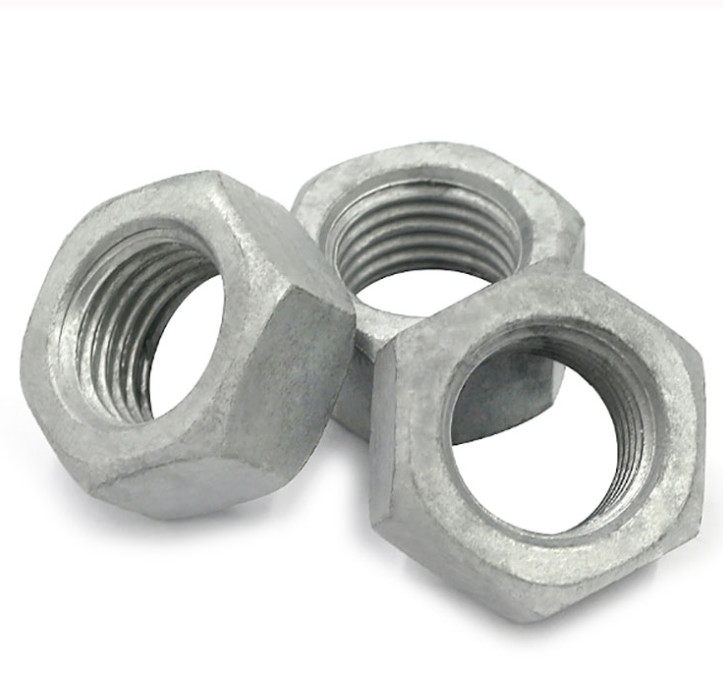
What Does ASTM A194 Grade 2H Mean?
ASTM A194 covers carbon-steel, alloy-steel and stainless-steel nuts intended for bolting in high-pressure or high-temperature service and other special-purpose applications. Grade 2H is a heat-treated carbon-steel nut grade used where high strength and hardness are required.
The material grade is only one part of the specification. The nut must also meet the ordered dimensional standard, thread series, thread class, coating requirement and inspection documentation. Procurement teams should avoid describing the item only as a “2H nut” because that leaves essential details open to interpretation.
Why Heavy Hex Dimensions Are Used
A heavy hex nut has larger wrenching dimensions than a regular finished hex nut of the same nominal thread size. This geometry provides a larger bearing area and is commonly used in structural and pressure-related bolting systems. The required dimensions should be stated by the applicable ASME, ANSI or other project standard.
Do not assume that all heavy hex nuts from different standards are interchangeable. Across inch and metric systems, the width across flats, nut height, chamfer, bearing surface and thread requirements can differ. A project drawing or bill of materials should identify the dimensional basis.
Matching Grade 2H Nuts With B7 Stud Bolts
ASTM A193 B7 studs and ASTM A194 Grade 2H nuts are a common combination because their intended service and mechanical capabilities are compatible for many industrial bolting applications. However, the final assembly selection remains the responsibility of the project engineer and must comply with the equipment design and governing code.
Match the Nominal Thread Size
The stud and nut must have the same nominal diameter and thread designation. For inch-series bolting, confirm the number of threads per inch and the required thread series. For metric bolting, confirm the diameter and pitch. A diameter alone is not a complete thread specification.
Confirm Thread Class and Allowance
The required class of fit affects assembly and load transfer. Coated fasteners may require a coordinated allowance so the coated stud can enter the nut without interference. The supplier should not enlarge or modify threads without a specification-approved basis.
Coordinate Surface Finish
Studs and nuts are often supplied with the same finish, but the correct choice depends on the environment and installation method. Plain, black, zinc-plated and hot-dip galvanized finishes have different corrosion performance and friction characteristics. Mixing unmatched finishes can create assembly problems or unexpected torque-tension behavior.
Mechanical Testing and Hardness Control
Grade 2H requirements include heat treatment and mechanical-property controls defined by the applicable edition of ASTM A194. Hardness is an important verification point because it helps confirm that the nut received the correct processing. Sampling, test frequency and acceptance criteria should follow the specification and any project-specific inspection plan.
A reliable inspection record should connect the test results with the production heat or batch. TENDON’s MES-based traceability process is designed to maintain the link between incoming material, manufacturing stages and finished-product inspection.
Marking and Traceability
Required grade and manufacturer identification should be legible and consistent with the governing specification. For critical projects, buyers may also require heat-number or batch traceability through packaging labels, certificates and inspection records.
Traceability is especially important when a project uses several grades that look similar after coating. Physical segregation, production records and clear packing labels help prevent material mixing during manufacturing and delivery.
Coated Grade 2H Nuts
Coatings can improve corrosion resistance, but they also add thickness to the thread surfaces. For this reason, coated nuts and studs should be planned as a matched assembly. Hot-dip galvanized bolting requires particular attention to thread allowance, coating uniformity and assembly testing.
Installation procedures should also account for the coating’s effect on friction. Torque values developed for plain bolting should not automatically be applied to a different coating or lubricant. The project engineer should define the approved tightening method.
Typical Industrial Applications
- Petrochemical and refinery piping
- Oil and gas flange connections
- Pressure vessels and heat exchangers
- Industrial valves, pumps and compressors
- Power-generation equipment
- Maintenance and shutdown replacement bolting
The correct nut grade depends on service temperature, pressure, corrosion exposure and the mating stud material. When stainless-steel studs are specified, a different ASTM A194 stainless nut grade may be required rather than Grade 2H.
Common Ordering Mistakes
- Ordering by diameter without stating thread pitch or threads per inch
- Using “hex nut” instead of the required heavy hex dimensional standard
- Specifying a coating for the nut but not for the mating stud
- Failing to request material certificates before shipment
- Mixing inch-series and metric drawings
- Assuming all B7 assemblies use the same number of nuts
- Not stating marking, packaging or heat-number segregation requirements
Grade 2H Nut RFQ Checklist
For an accurate quotation, provide the following information:
- ASTM A194 Grade 2H and the required standard edition
- Heavy hex dimensional standard
- Nominal diameter and complete thread designation
- Quantity
- Plain or coated finish
- Matching stud bolt grade and dimensions
- Material test certificate and inspection requirements
- Marking, packing and delivery requirements
If the nuts are part of a flange bolting package, send the complete bill of materials. This allows the stud, nut, coating and documentation requirements to be reviewed together.
Frequently Asked Questions
Are Grade 2H nuts always used with B7 studs?
They are a common pairing, but not universal. The correct nut must be selected from the equipment design, service conditions and governing specification.
Can Grade 2H nuts be reused?
Reuse should follow the owner’s engineering and maintenance procedure. Threads, coating, deformation, corrosion and service history must be evaluated before any reuse decision.
Should nuts and studs come from the same supplier?
Sourcing a matched assembly from one supplier can simplify thread-fit verification, coating coordination, documentation and packaging. It also gives the buyer one point of responsibility for the bolting set.
Request a Matched Bolting Quotation
Tendon Metal Products Co., Ltd. manufactures high-strength fasteners and supports custom dimensions, coating coordination and traceable inspection records. Request a fastener quotation and send the stud-and-nut specification, quantity, finish and certificate requirements for review.