

Hot-dip galvanizing and zinc electroplating both use zinc to protect steel fasteners, but they are not equivalent finishes. The processes create different coating thicknesses, appearances, thread-fit conditions and corrosion performance. Choosing only by the word “zinc” can result in the wrong product for the service environment.
This guide compares the two finishes for stud bolts, hex bolts, nuts, U-bolts and anchors. The final coating choice should be approved by the project engineer and written clearly on the drawing or purchase order.
What Is Hot-Dip Galvanizing?
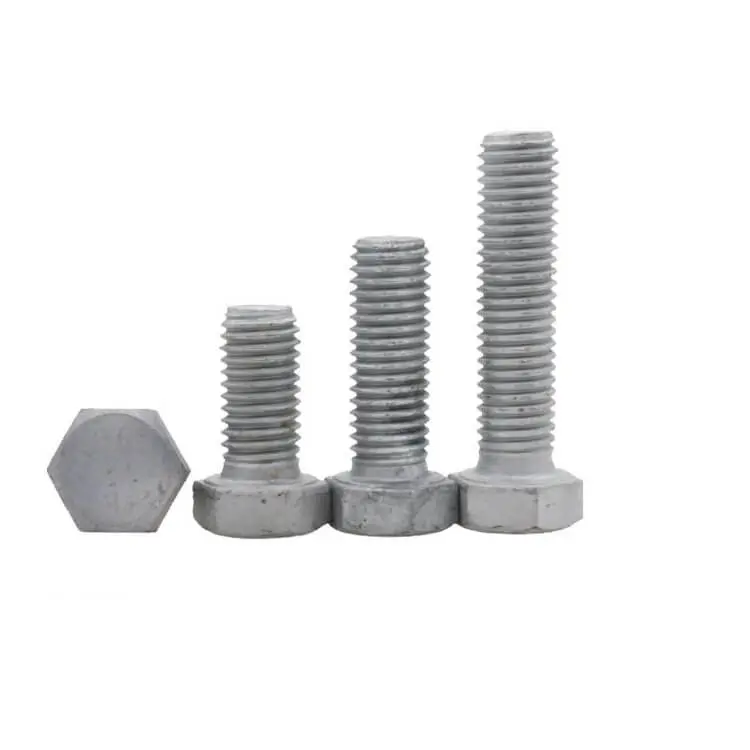
Hot-dip galvanizing applies a zinc coating by immersing prepared steel parts in molten zinc. The process creates a metallurgically bonded coating with a comparatively thick protective layer. It is widely selected for outdoor, industrial, marine-adjacent and infrastructure applications where long-term corrosion protection is important.
TENDON supplies hot-dip galvanized DIN 933 hex bolts and can review coating requirements for custom bolting packages.
What Is Zinc Plating?
Zinc plating, often called electro-galvanizing or electroplating, deposits a thinner zinc layer through an electrolytic process. The finish is generally smoother and more uniform in appearance than hot-dip galvanizing. Zinc-plated fasteners are common in indoor equipment, machinery, light industrial assemblies and environments where moderate corrosion protection is sufficient.
Different passivations can produce clear, blue-white, yellow or other appearances. The color alone does not define the complete performance requirement; the coating specification and required thickness should be stated.
Key Difference: Coating Thickness
Hot-dip galvanized coatings are usually substantially thicker than electroplated zinc coatings. A thicker zinc layer normally provides a longer period of sacrificial protection in exposed environments, but it also has a greater effect on dimensions and thread fit.
Zinc plating creates a thinner coating that better preserves the original thread geometry and surface detail. It can be suitable where close dimensional control, a smooth appearance or lower coating build is important.
Corrosion Resistance and Service Environment
Hot-dip galvanizing is typically chosen for higher exposure levels, such as outdoor steelwork, construction anchors, utility projects, pipe supports and equipment exposed to weather. Zinc plating is more often selected for indoor or protected applications.
Actual service life depends on coating thickness, atmospheric conditions, chemical exposure, damage during installation and maintenance. Neither finish should be selected from a generic hours-to-failure claim without checking the applicable test standard and project acceptance criteria.
Thread Fit and Nut Compatibility
Thread compatibility is one of the most important differences for fasteners. Because hot-dip galvanizing adds more coating thickness, the mating nut may require a specified tapping allowance. The stud or bolt and nut should be manufactured and coated as a coordinated assembly.
Do not force a standard uncoated nut onto a heavily coated bolt. This can damage the coating, jam the threads or reduce effective engagement. Buyers should state whether nuts are to be galvanized, over-tapped or otherwise prepared according to the governing specification.
Zinc-plated fasteners have a thinner coating and often fit standard mating threads more easily, but the thread class and coating specification must still be controlled.
Appearance and Surface Uniformity
Zinc plating normally produces a bright, smooth and decorative surface. Hot-dip galvanized fasteners may have a matte gray appearance and a less uniform surface because of the thicker metallurgical coating. Variations in appearance do not necessarily indicate poor corrosion protection.
If visible appearance is a major requirement, include a sample or written acceptance standard. Functional industrial fasteners should be judged against the specified coating standard, dimensions and performance—not only by color or brightness.
Hydrogen Embrittlement Considerations
Some electroplating processes can introduce hydrogen into high-strength steel. For susceptible materials, process controls and post-plating treatment may be necessary. The risk depends on material strength, manufacturing history, cleaning method, plating process and applied stress.
Hot-dip galvanizing uses a different process, but it also requires review for high-strength fasteners because pickling, temperature and coating effects must be compatible with the material and specification. The project engineer and coating supplier should approve the process for critical high-strength bolting.
Installation Friction and Torque
Coatings change the coefficient of friction between threads and bearing surfaces. The same installation torque can produce different bolt tension on plain, zinc-plated, galvanized or lubricated fasteners. For critical joints, use the tightening procedure approved for the exact fastener finish and lubricant condition.
Do not copy a torque table developed for plain fasteners and apply it automatically to coated bolting. Project procedures may require testing, rotational-capacity verification or calibrated installation methods.
Cost and Lead Time
Zinc plating is often economical for smaller fasteners and large production quantities where a thin, consistent finish is needed. Hot-dip galvanizing can have higher processing and handling requirements, particularly when thread allowances, centrifuging or assembly testing are needed.
The lowest unit coating cost is not always the lowest life-cycle cost. Outdoor fasteners that corrode prematurely can create far greater replacement and shutdown expense than the initial finish difference.
Typical Applications
Hot-Dip Galvanized Fasteners
- Outdoor structural connections
- Pipe supports and custom U-bolts
- Utility, infrastructure and construction projects
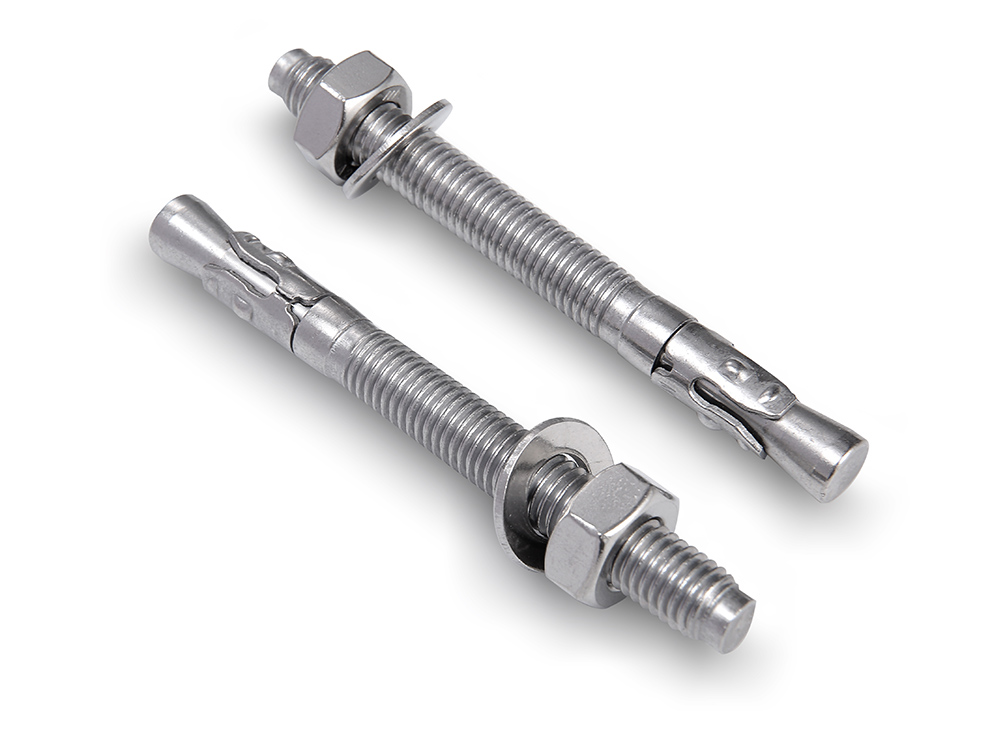
- Anchors and wedge anchor assemblies
- Industrial equipment exposed to weather
Zinc-Plated Fasteners
- Indoor machinery and equipment
- Electrical and mechanical assemblies
- Protected enclosures
- Applications requiring a smooth decorative finish
- Moderate-corrosion environments approved by the design engineer
How to Specify the Finish on an RFQ
- Fastener material grade and dimensional standard
- Exact coating standard and class, not only “galvanized”
- Required coating thickness or performance criteria
- Color or passivation, when relevant
- Thread allowance and mating-nut requirements
- Lubrication and installation requirements
- Testing, inspection certificate and traceability requirements
- Packaging to protect the finish during transport
When ordering a complete assembly, specify the finish for every component. Studs, nuts and washers should not be assumed to have the same coating unless the bill of materials states it.
Which Finish Should You Choose?
Choose hot-dip galvanizing when the approved project specification calls for a thicker sacrificial coating and the fastener system has been designed for the resulting thread allowance and friction. Choose zinc plating when a thinner, smoother coating is suitable for the environment and dimensional needs.
For corrosive chemical or marine service, neither option may be sufficient. The design may require stainless steel, a specialized coating or another material system. Review the service environment before finalizing the fastener.
Request Coated Fasteners From TENDON
Tendon Metal Products Co., Ltd. manufactures high-strength and custom fasteners for industrial applications. Send your material, size, coating standard, quantity and documentation requirements through our fastener quotation form. Our team will review thread compatibility and production requirements before quoting.